

Emptiness at the Table
The Night Gratitude Wasn’t Enough

The remains of a full Thanksgiving feast—turkey, ribs from my brother’s restaurant, green bean casserole, stuffing, sweet potatoes, and pies—cover the long kitchen table in the halfway house. All the girls contributed to the potluck, but then left to be with their friends and families. I’m the only one with nowhere to go. Mom’s in town but won’t see me, so I sit alone at one end of the table eating pumpkin pie, haunted by my dogs and Dieter, and by all that I’ve lost.
A thick, almost tangible silence fills the house and presses against my ribs. Memories of Thanksgivings filled with laughter and good cheer flicker through my mind, and I wonder how this can be me. I help myself to a second piece of pie and hide it under whipped cream, pondering what would happen if I showed up at my family’s doorstep. My brother strongly suggested I leave Mom alone, but it’s hard to imagine she wouldn’t let me in.
This holiday serves as a mirror reflecting my pain, loneliness, and unmet expectations. The kitchen table is overflowing, yet I’ve never felt emptier. Last Thanksgiving, I was at my dealer’s house, feeling more miserable than ever. At least this year, I’m sober. I can be grateful for that.
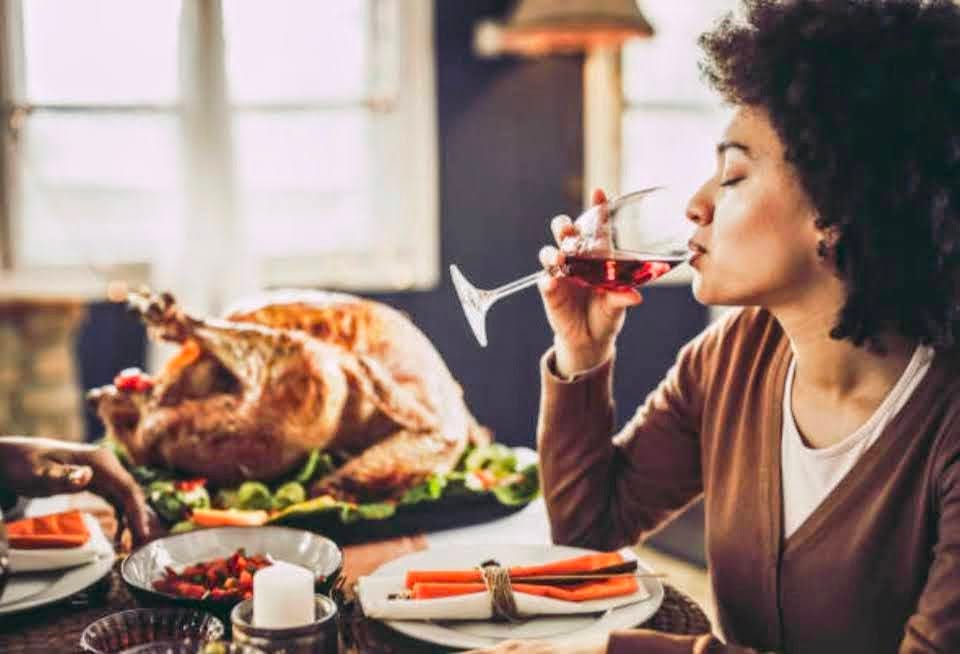
Gratitude is essential for recovery. It’s how we stay connected with God. I remind myself that I have a lot to be thankful for: a roof over my head, a pillow for under it, beautiful weather, a book to read, some second-hand clothes from a nearby charity, and new boots that my brother bought me so I could look for work. Gratitude for him wells up in my throat.
The ring of the pay phone on the living room wall startles me, and I jump up, hopeful because although I’ve left Dieter several messages, I hadn’t left a number where he could reach me until his father asked for it the last time I called.
My heart leaps with excitement when I hear Dieter’s voice. “How are you?” I ask. “I’ve missed you so much!”
“Then why did you leave again?” His voice is sharp and plaintive. “Where are you?”
Suddenly, more scared than excited, I become cautious. “I’m in an SLE (a sober-living environment) in Arizona.”
“What happened to the SLE here?” I can’t read his tone at all.
“They gave my bed away.” I silently plead for understanding. I was supposed to be in a halfway house in San Jose, but I was too drunk to get in.
“When I didn’t hear from you,” Dieter says, “I started going to meetings nearby, hoping to see you. I attended every meeting in the area day after day and never saw you. And you didn’t call.”
“I’m sorry.” I hear his distress.
“Finally, I went to that SLE and asked for you.” I feel a crushing weight in the cadence of his words. “They told me you never showed up. I can’t do this anymore, Lisa. It hurts too much. The last time you left, I went crazy. I returned to drugs. I can’t let that happen again.”
“What are you saying?” I can’t breathe.
“It’s over. I wish you all the best, but I can’t be with you. It’s too hard.”
“You don’t mean that,” I say. “You can’t leave me.”
“You left me!” he wails.
“I didn’t!” That’s the last thing I would ever do. “I’m coming back!”
“Don’t,” Dieter says. “I’m seeing someone else now. I had to move on.”
“What?” I grab the wall for support. “How could you? I haven’t been gone that long.”
“You have,” Dieter sighs.
“Who is she?” I demand. Like it matters.
“You don’t know her. She’s a lot younger.”
I react with a verbal dagger, my default armor, an instinctive burst of defensiveness I regret before the echo of the dial tone fades. I expected Dieter to wait for me. It never occurred to me that he would move on so quickly, and it hurts that he did.
But my role is clear: I left. I lied about staying sober, and it cost me the relationship. This kind of accountability is new for me and very humbling, after years of blaming others for my circumstances. Even recognizing that Dieter was suffering too, because of my behavior, is more than I was able to do before.
All of this takes practice, but the consequences of my addiction won’t wait until I have the tools to face them. My anger doesn’t protect me any more than alcohol prevents me from feeling the pain. Both keep me from accessing the wisdom that pain offers. I have to stay present if I want to heal.
The silence returns, heavier and more honest, bringing with it a loneliness that prevents me from hiding from myself. I sit in one of the empty chairs at the table, glance out at the deserted street—evidence of the emptiness inside. And I thank God for my strength, resilience, and my conviction that even in the darkest moments, there are reasons to remain grateful.
Gratitude is both a spiritual practice and an action that connects me to even the slightest flicker of possibility when despair takes over. It’s a choice and a discipline. Right now, it feels bittersweet and not very comforting. It’s hard to be grateful when I feel stripped of everything that matters.
It occurs to me that there’s a liquor store around the corner. That recovery is a journey, not a destination, and within the program, we emphasize progress, not perfection. I could drink tonight. Quit again tomorrow.
Thoughts are dangerous and powerful, especially if we latch onto and follow them. The trick is to let them pass because it’s the first drink that gets us drunk. We, more than any others, know that tomorrow never comes.
I’d like to say I stayed sober that night. I didn’t. I drank until the following October.
But this was my last Thanksgiving alone, and I am grateful.
You capture the heartbreak, the struggle, and the messy reality of recovery with such honesty. Even in the loneliness and mistakes, your awareness and gratitude shine through. It’s a reminder that every step, even the hardest ones, matters.
I'm also having to struggle to feel gratitude these days, but I know that I have to appreciate what I have in order to feel peace and to stay sober. You and our group of loving, sober women are at the top of my list.